January 22, 2024 · Wine · Wine Tasting · Spirits Guide
8 Wine Tasting Tricks to Try at Home
Wine tasting expertise looks intimidating but it runs on a small set of repeatable techniques. Eight tricks that move you from "I don't know wine" to "I can tell what's in the glass" — without joining a sommelier course.
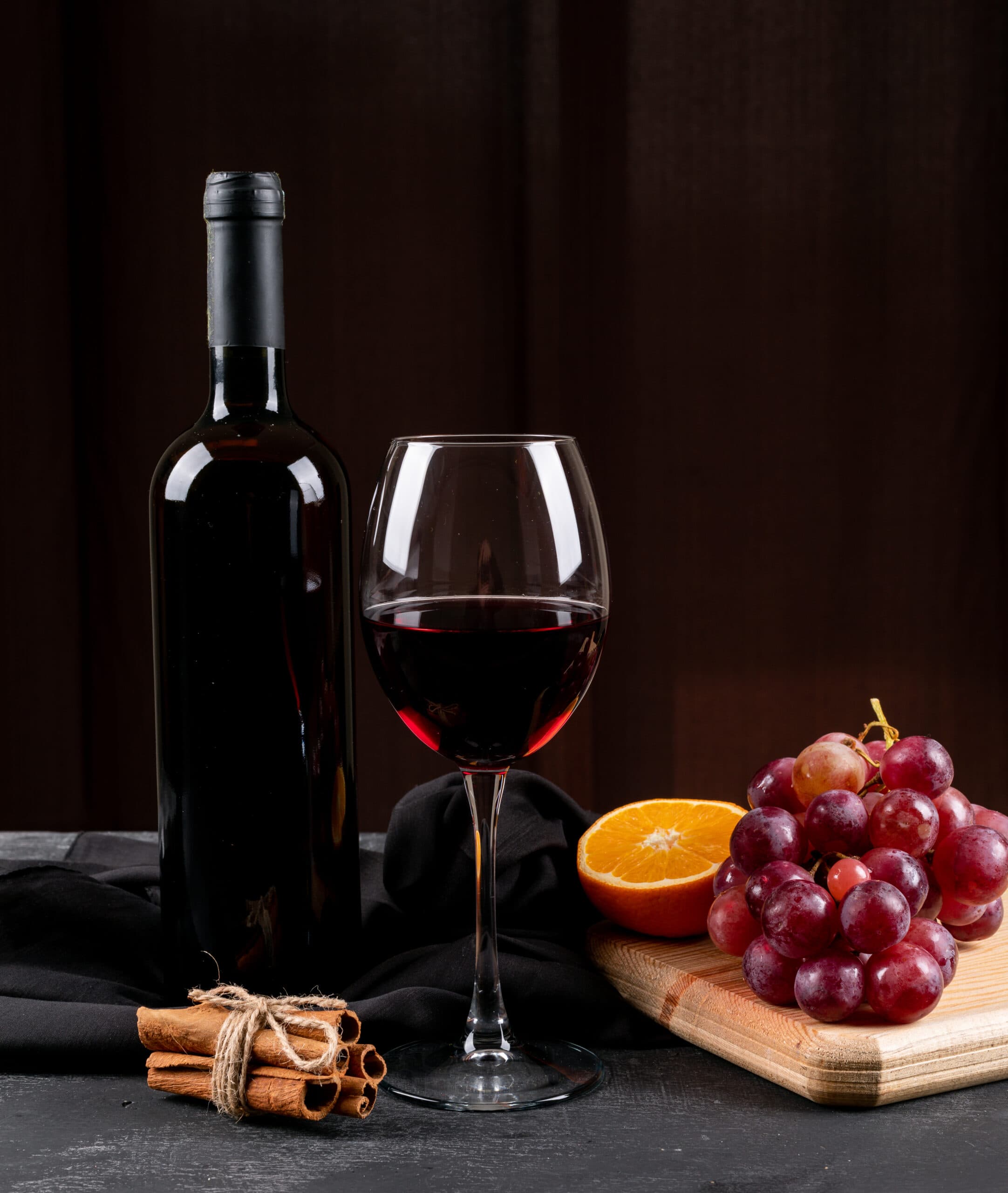
Wine tasting looks intimidating from the outside — the swirling, the sniffing, the sommeliers who talk about \"raspberry compote\" and \"dried tobacco leaf.\" But the actual skill of wine tasting runs on a small set of repeatable techniques. You don't need a sommelier course. You need eight tricks.
Apply these consistently over a few months and you'll move from \"I don't really know wine\" to \"I can tell what's in the glass and whether it's good.\" Most of the techniques cost nothing.
| Trick | Why it matters |
|---|---|
| The Five S's | A repeatable framework for every taste |
| Right glass and temperature | Shapes aroma and flavour |
| Two-glass test | Trains you to spot differences |
| Know off-wine smells | Catches faults like cork taint |
1. The Five S's
The base framework every wine taster uses, even if they don't say so out loud:
- See — examine the colour. Pale or deep? Clear or hazy? Hold the glass against white paper or a wall
- Swirl — gently rotate the wine in the glass. This aerates it and releases aromatic compounds
- Sniff — get your nose into the glass before sipping. Smell accounts for 70% of taste. If you skip this step you skip most of what's there
- Sip — take a small amount, let it sit on your tongue, then breathe through your nose while it's in your mouth (a technique called retronasal olfaction). This activates the aroma compounds in a different way than smelling alone
- Savor — note the finish. How long does the flavour linger? What's the last sensation? Good wines have long finishes; flawed wines have flat or chemical ones
2. Use the Right Glass
The glass shape matters more than the wine industry's specialty-glass marketing suggests. The key is the bowl shape and rim diameter — a slightly tulip-shaped wine glass that narrows toward the top concentrates aromas while letting you swirl without spilling.
If you own one wine glass, make it a generic Burgundy-style bowl (slightly wider). It works for almost any wine. Skip stemless wine glasses for tasting — your hand warms the wine. Avoid \"old-fashioned\" thick-rimmed glasses entirely.
3. Serve at the Right Temperature
Most home wine drinking gets temperature wrong, and temperature alone changes how the wine tastes:
- Light whites and rosé: 7-10°C (cellar-cool fridge temperature)
- Full whites (oaked Chardonnay): 10-13°C (slightly warmer)
- Light reds (Pinot Noir, Beaujolais): 13-15°C — yes, briefly chilled
- Full reds (Cabernet, Shiraz): 16-18°C — never room temperature in a 22°C apartment
If you don't have a thermometer: 30 minutes in the fridge for whites that just came out, 20 minutes for reds that were on the counter. Surprisingly precise.
4. Decode the Label
European labels confuse people because they emphasize region; New World labels confuse people because they emphasize variety. Both rules:
- European (Old World): Burgundy = Pinot Noir or Chardonnay. Bordeaux = Cabernet + Merlot blend. Chianti = Sangiovese. Champagne = Champagne-method sparkling
- New World (US, Australia, Chile, etc.): the grape variety is on the label. Pinot Noir, Sauvignon Blanc, etc. Easier to read
- Vintage matters more in Old World wines (Bordeaux 2010 vs 2013 differs significantly). New World wine is more consistent year-to-year
5. The Two-Glass Test
The fastest way to develop your palate: pour two different wines side-by-side, same glass type, same temperature. The contrast immediately tells you what each one is doing. Trying to taste one wine in isolation gives you less information.
Pick two of the same grape from different regions (e.g., Sauvignon Blanc from New Zealand vs from Sancerre, France). Within five minutes you'll understand more about the variety than any blog post can teach you.
6. Trust Acidity, Tannin, and Body
Don't try to identify specific fruit notes early on — \"raspberry,\" \"blackcurrant\" comes with practice. Focus on the three structural elements that matter for pairing food:
- Acidity — does the wine make your mouth water? Crisp wines have high acidity. Flat wines don't
- Tannin — does it dry your mouth? That's tannin (from grape skins and oak). Reds and some whites have it
- Body — does it feel light like water or full like cream? Body comes from alcohol level, sugar, and extract
These three describe most of what matters about a wine in 30 seconds. Practice naming them every time you pour a glass.
7. Spit, or At Least Pace
Professional tasters spit. Most home tasters won't. But if you're tasting more than two or three glasses, alternate sips of water — and slow down. Wine palate fatigue is real after the third or fourth pour. The wine starts tasting the same because your taste buds dull.
Rule of thumb: 4 small pours (2 oz each) is the maximum useful number for a single tasting session. Beyond that, your evaluation degrades rapidly.
8. Know What \"Off\" Wine Smells Like
The fastest skill upgrade: learn the few common wine flaws. If you can identify these, you can spot bad bottles immediately:
- Cork taint (TCA) — smells like wet cardboard or musty basement. The wine is technically drinkable but unpleasant. Bottle has gone bad
- Oxidation — smells flat, like aged sherry, with brown colour for reds. The bottle has been open too long or had bad seal
- Reduction — smells like struck match or rotten eggs. Often blows off with vigorous swirling, but if it persists, the wine is flawed
- Brettanomyces — barnyard, leather, band-aid smell. Some people like a little; too much ruins the wine
Identifying these flaws in restaurants saves you money and embarrassment. Send the bottle back. A sommelier will respect you for it.
Practice Cheap, Calibrate Up
Don't start your wine education with $80 bottles. Start with $25 bottles you can compare. Once you can confidently tell two $25 wines apart, step up to $40-50 and see if you can taste the difference. Eventually you'll know what you actually enjoy versus what you've been told to enjoy.
Order Wine Across the GTA
J&J Alcohol Delivery carries reds, whites, rosé, and sparkling wines from Niagara, France, Italy, Chile, and beyond across Toronto, Mississauga, Brampton, Vaughan, Markham, Richmond Hill, Oakville, Burlington, and North York. Delivered cold and ready to pour. Call (437) 328-0030 or order at jnjalcoholdelivery.ca.
Wine Delivery in the GTA — FAQ
Where can I buy wine near me after hours?
J&J delivers wine to your door anywhere in the GTA, 24/7. Order online at jnjalcoholdelivery.ca or call (437) 328-0030.
Does J&J deliver wine on weekends and holidays?
Yes — we deliver wine every day of the year, including weekends and holidays, right across Toronto and the GTA.
Is there wine delivery in Mississauga and Brampton?
Yes. We deliver wine across Mississauga, Brampton, and the wider GTA 24/7, usually in under 45 minutes.
How much does wine delivery cost in Toronto?
Delivery is a flat rate with no late-night surge or weekend markup — the price you see at checkout is what you pay at the door.
By J&J Alcohol Delivery
Back to BlogKeep Reading
More Articles
Royal Winter Fair
Royal Agricultural Winter Fair 2026: Toronto Tickets, Travel and Food
Plan a November 6-15 visit to The Royal at Exhibition Place, understand the Horse Show ticket distinction, and…
Halloween
Halloween Party Drinks 2026: A Toronto and GTA Hosting Guide
Plan a Halloween gathering with a simple cranberry drink base, clearly separated alcohol-free choices, food, i…